


Continuous Top Rail vs. Post-to-Post Top Rail: Understanding the Pros and Cons
When designing a cable railing system, the top rail style you choose plays a major role in appearance, functionality, installation, and cost. Customers at Stainless Cable & Railing have two main options: an aluminum post-to-post top rail or a continuous top rail.
Both work beautifully with our railing systems—but they serve different needs. Here’s a clear comparison to help you choose the right option for your project.
What Is a Continuous Top Rail?
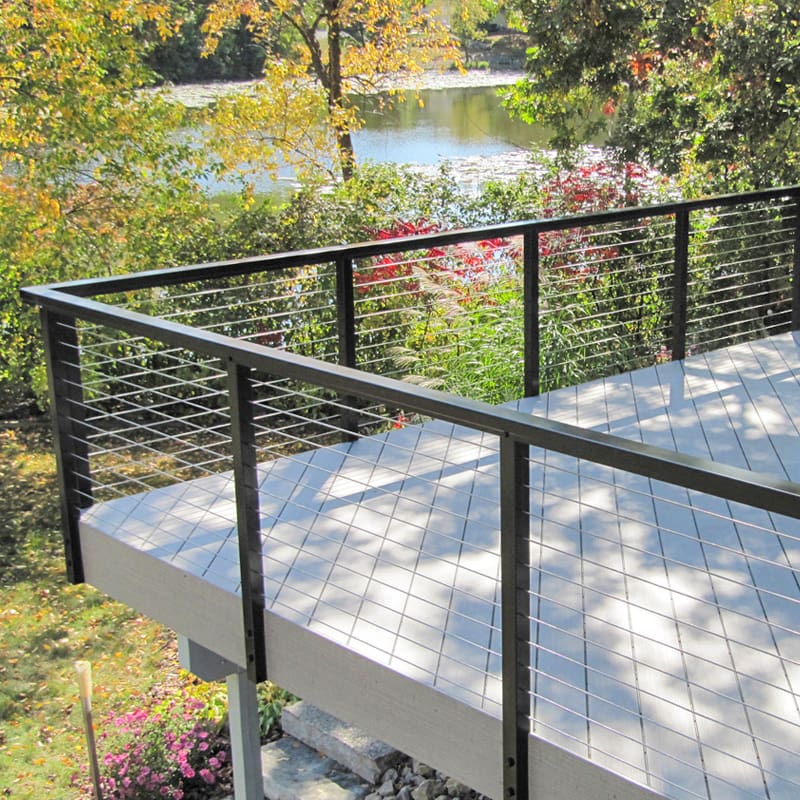
A continuous top rail runs over the tops of the posts in a smooth, uninterrupted line. With SC&R systems, continuous rails can be made from:
- Aluminum rectangular top rail
- Aluminum shaped top rail
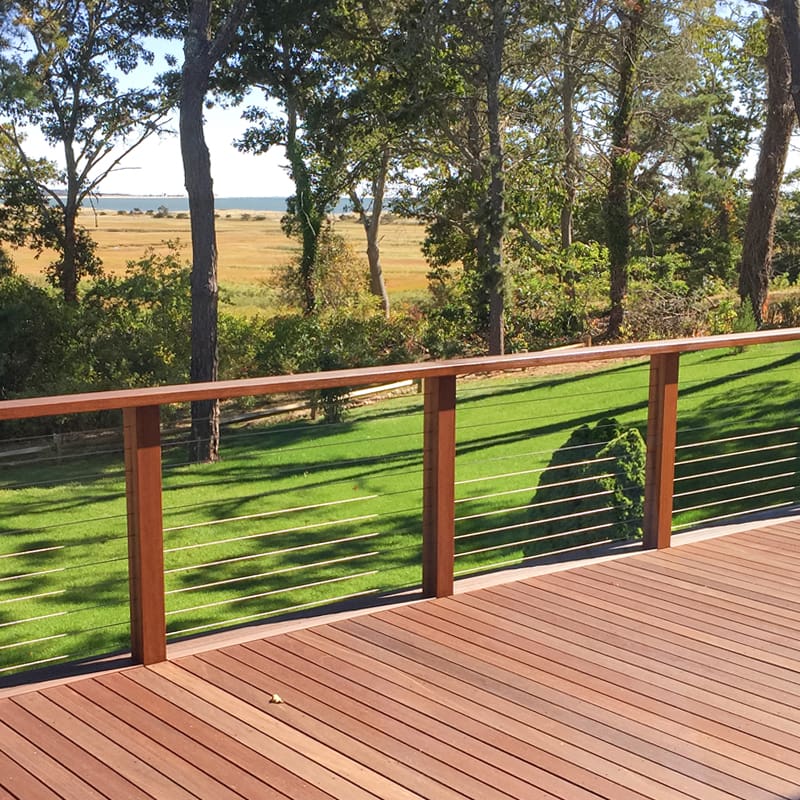
- Wood top rails in cedar, mahogany, or ipe
Pros
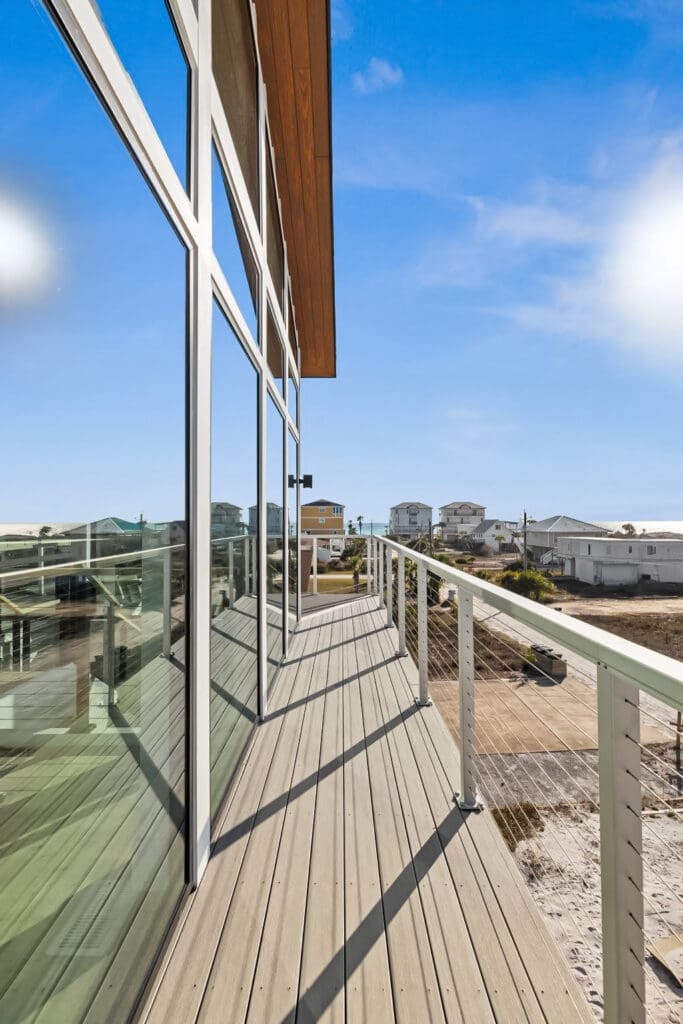
- Modern, seamless appearance
A clean, unbroken line that enhances visibility and complements contemporary architecture. - Added rigidity and comfortable handhold
Spanning across posts increases strength and provides a smooth grip—ideal for stairs or long deck runs. - Can be used as a surface for drinks or small plates
The flat, uninterrupted rail makes an excellent resting spot for beverages, snacks, or décor—perfect for outdoor gatherings. - Premium, high-end aesthetic
Especially striking when paired with hardwoods like ipe or mahogany.
Cons
- Higher shipping cost
Long rail lengths add to freight expense and require more careful handling. - More complex installation
Longer pieces—particularly hardwood—may require two installers for safe and accurate alignment. - Higher material cost
Hardwood or long aluminum lengths come at a premium.
What Is a Post-to-Post Top Rail?
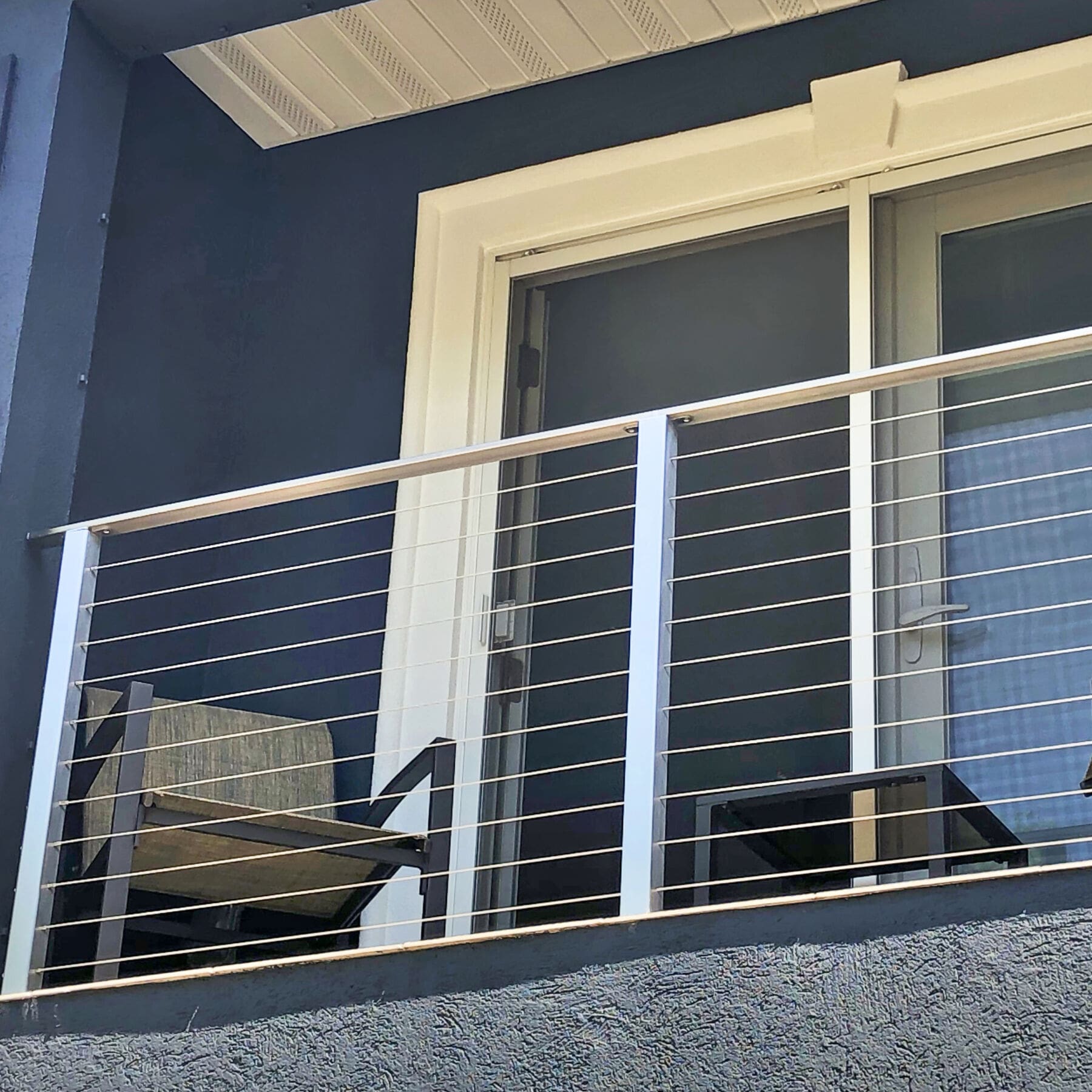
A post-to-post configuration uses shorter aluminum rail sections that terminate at each post. Unlike continuous rails, post-to-post is aluminum-only in SC&R systems.
Pros
- Reduced shipping expenses
Shorter aluminum rail segments ship more affordably and with less risk of damage. - Overall, more affordable
Material and freight costs are lower compared to long continuous rails or hardwood options. - Easier, more manageable installation
Shorter pieces are simple to handle, cut, and install—great for DIY or tight job sites. - Ideal for complex or corner-heavy layouts
Modular segments make transitions between angles and elevations easier.
Cons
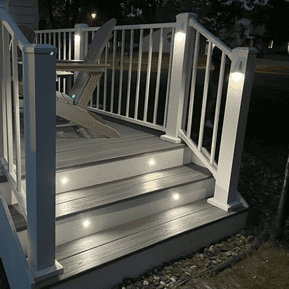
- Segmented appearance
Rails stop at each post, resulting in a more traditional look instead of one continuous line. - Less rigidity
Overall rigidity is reduced because the rail does not extend over the posts. - Not suitable for use as a top surface
The breaks at each post eliminate the ability to place drinks or décor on top.
Choosing the Right Top Rail Style
Choose a Continuous Top Rail If You Want:
- A smooth, uninterrupted visual line
- A comfortable, seamless gripping surface
- A stable top surface for drinks or small plates
- A modern, premium architectural look
- The warmth and beauty of hardwood (cedar, mahogany, ipe) or the sleek look of aluminum
Choose a Post-to-Post Top Rail If You Want:
- A cost-effective aluminum solution
- Lower shipping and easier handling
- Simple installation—especially for DIY projects
- A modular approach that works well with tight spaces, corners, or multi-level transitions
Both options integrate seamlessly with SC&R’s cable railing systems and provide long-lasting strength and durability. The best style for your project depends on your aesthetic preferences, layout, and budget.
Contact Us
Still deciding which top rail option is right for your project? Our team is here to guide you.
Stainless Cable & Railing
📞 Call: (888) 686-7245
📧 Email: [email protected]
🌐 Fill out our Free Estimate Request Form
We’re happy to help you compare options, review layouts, and ensure your railing system performs beautifully for years to come.